
Dashboards and Reporting Tools
The Right Information in Front of the Right People
Data is only useful when the people who need it can see it clearly and act on it quickly. We build dashboards and reporting tools that connect to your existing data and surface what actually matters.

What We Can Build
Custom software for the problems your business actually has — not the average ones.

Operational Dashboards
Real time visibility into how your business or team is performing. The metrics that matter most, organized so the people who need them can see them without digging through reports or exporting spreadsheets.

Customer Facing Dashboards
Dashboards built into your product that give your customers visibility into their own data. Turning the information your system already collects into something your customers can see and act on.

Reporting and Analytics Tools
Tools that let your team look back, compare performance over time, and share findings with stakeholders. Structured reporting that turns raw data into something that can inform decisions and drive conversations.
Our Tech Stack
React
Frontend Application Layer
PostgreSQL
Primary Database
Our Process
Discovery
We start by understanding your business, your users, and the problem you are actually trying to solve. This means asking questions, mapping workflows, and identifying constraints before any design or development work begins. What comes out of discovery is a shared understanding of what we are building and why, so the rest of the process has a clear foundation to build on.





Why This Approach?

Dashboards Added After The Fact Are Always Harder To Build
Dashboards and reports are often added last, which causes issues. Without data structured for reporting from the start, creating useful dashboards is much harder and costlier.

The Most Valuable Dashboards Show Less, Not More
The best dashboards focus on key decisions users need to make, not on showing everything. Choosing what to leave out is more important than how much to include.
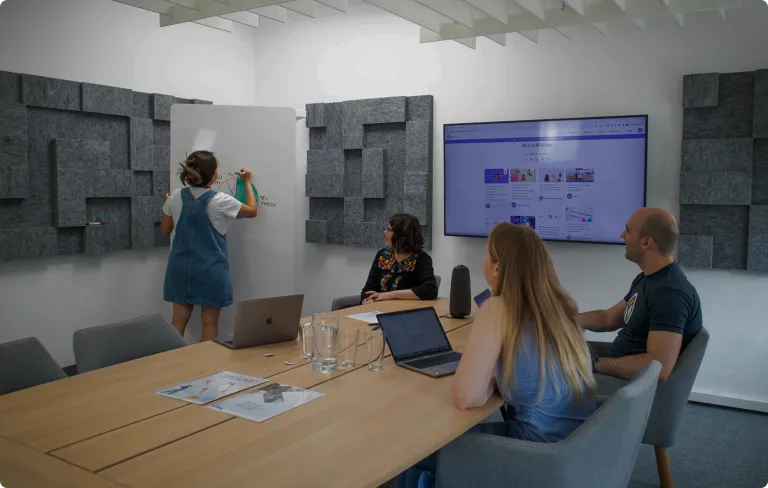
A Product Problem First, A Technical Problem Second
We treat dashboard and reporting as product challenges, focusing first on the decisions you need to make and the info that influences them. Technical tasks like data connections and interface design come after this clarity.
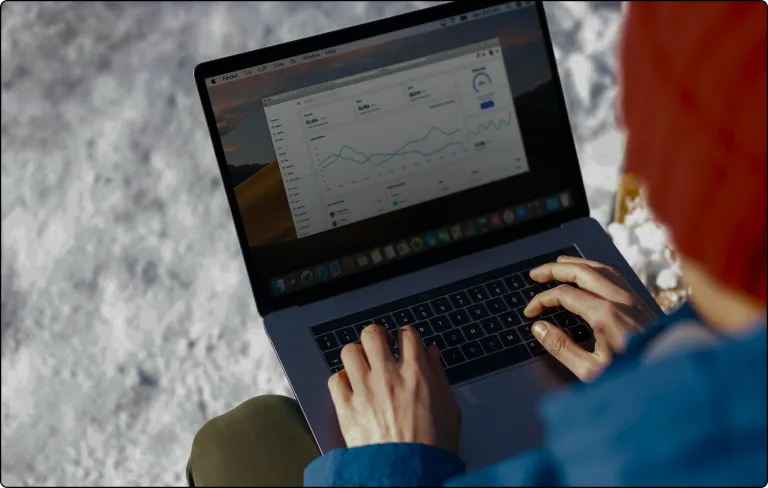
What Your Customers Can See About Their Data Is Part Of Your Product
For customer-facing dashboards, what users see about their data shapes their view of your product’s value. A well-designed dashboard can boost retention as much as any feature.
Curious about how Optima can help your business?
Frequently Asked Questions
We already have data in multiple systems. Can you pull it all together?
That is one of the most common starting points for a dashboard project. Data sitting in separate systems that has never been brought together in one view. We identify where your data lives and how to connect it during discovery. The technical approach depends on what systems you have and how they expose their data, but connecting multiple sources is a normal part of this type of work.
How do we decide what to show on the dashboard?
This is the most important question in the project and it gets answered before design starts. We work with you to identify the decisions you need to make regularly and what information would actually change those decisions. Everything that does not serve that purpose stays off the dashboard.
Can our customers see their own data within our product?
Yes and it is worth thinking about early rather than late. Customer facing data visibility is part of your product experience and affects how customers perceive the value of what they are using. We design customer facing dashboards with that in mind, not just as a technical feature but as a product decision.
What happens when our underlying data changes or grows?
A well built dashboard is designed to handle data that changes over time. New records, new time periods, and growing volumes are part of the normal operation. Where changes require attention is when the structure of the underlying data changes significantly. We build with that in mind and can handle those updates as your data evolves.
How do I get started?
Reach out and tell us what decisions you are trying to make and what data you already have. We will set up a discovery conversation and help you figure out what a useful dashboard would look like for your situation. Book free consultation